Estate Planning in Omaha? Here Are 10 Things You Should Know Before Getting Documents Notarized
- Ronna Watson

- Feb 8
- 6 min read
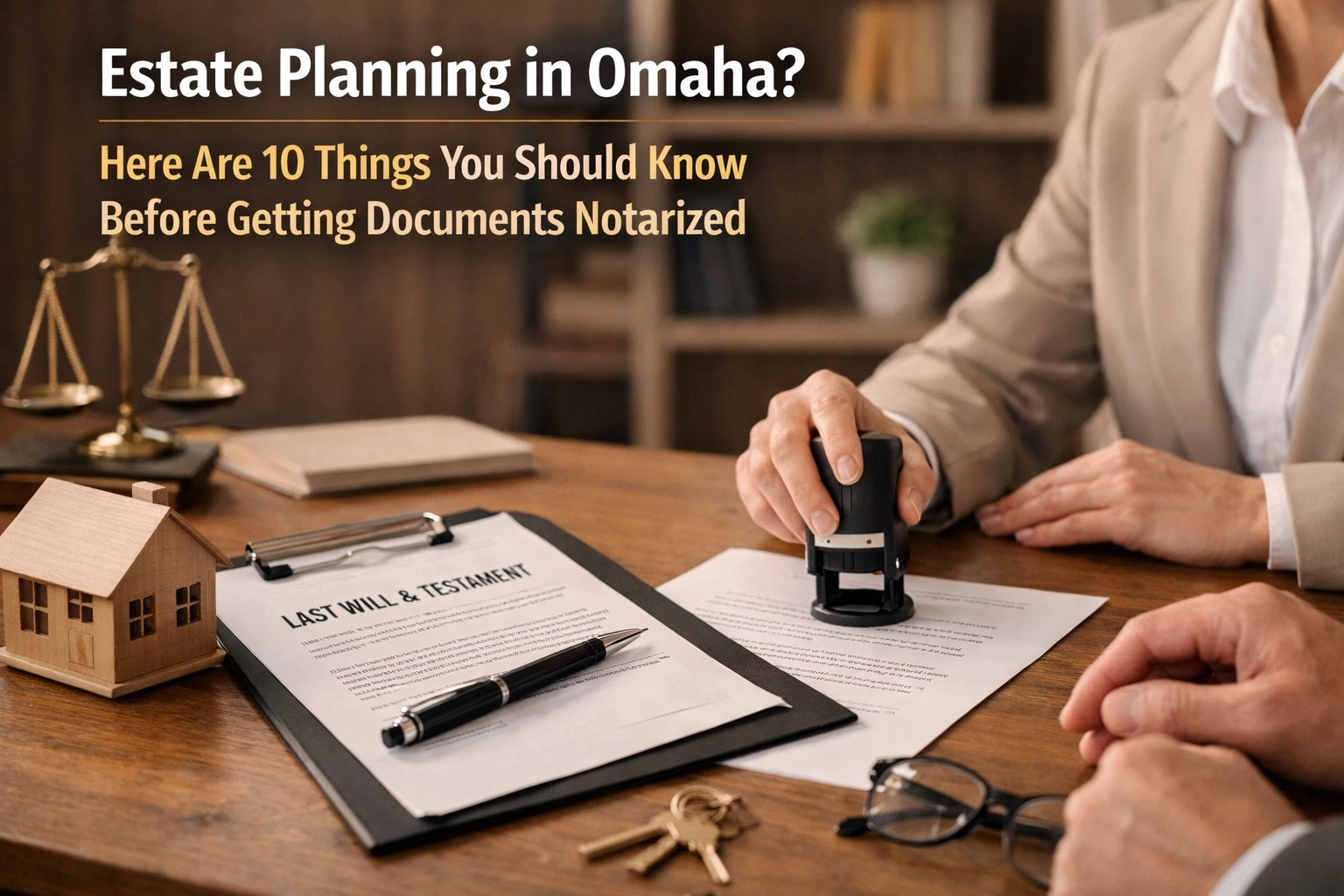
Estate planning can feel like trying to assemble IKEA furniture without the instructions, you know it's important, but where do you even start? And once you've got your will, trust, or power of attorney drafted, there's this whole notarization thing to deal with. But fear not! Getting your estate documents notarized in Omaha doesn't have to be a nail-biting ordeal.
Whether you're updating an old will or creating your first healthcare directive, understanding the notarization process can save you time, money, and a whole lot of stress. Here's the scoop on what you need to know before you head to get that official stamp.
1. Get Your Ducks in a Row BEFORE You Visit the Notary
Here's the thing: notaries aren't estate planning attorneys. We're the seal-of-approval crew, not the document drafters. Before you schedule that notary appointment, make sure your estate planning documents are completely finished and reviewed by a qualified attorney.
Think of it this way, you wouldn't ask a photographer to cook your wedding meal, right? Same deal here. Have your lawyer draft or review your will, trust, power of attorney, or healthcare directive first. Once everything's buttoned up and ready to go, then it's time to get it notarized.
Pro tip: Double-check that every blank is filled in and every section is complete. A notary can't fix incomplete documents or give legal advice about what should go in them.

2. Not Every Estate Document Needs Notarization (But Most Do)
Plot twist! Not all estate planning documents require notarization in Nebraska. But here's the nitty-gritty: most of them do, and some need witnesses in addition to notarization. Confusing? A little. Important? Absolutely.
Documents that typically need notarization in Omaha include:
Wills (Nebraska allows self-proving wills with notarization)
Power of Attorney forms (both financial and healthcare)
Living Wills and Healthcare Directives
Trust documents
Deeds (if you're transferring real estate into a trust)
Some documents might need two witnesses and notarization. It's like needing both a password and a fingerprint to access your phone, extra security for extra important stuff. Your estate planning attorney can tell you exactly what your specific documents require.
3. Bring Valid, Government-Issued Photo ID (No Exceptions!)
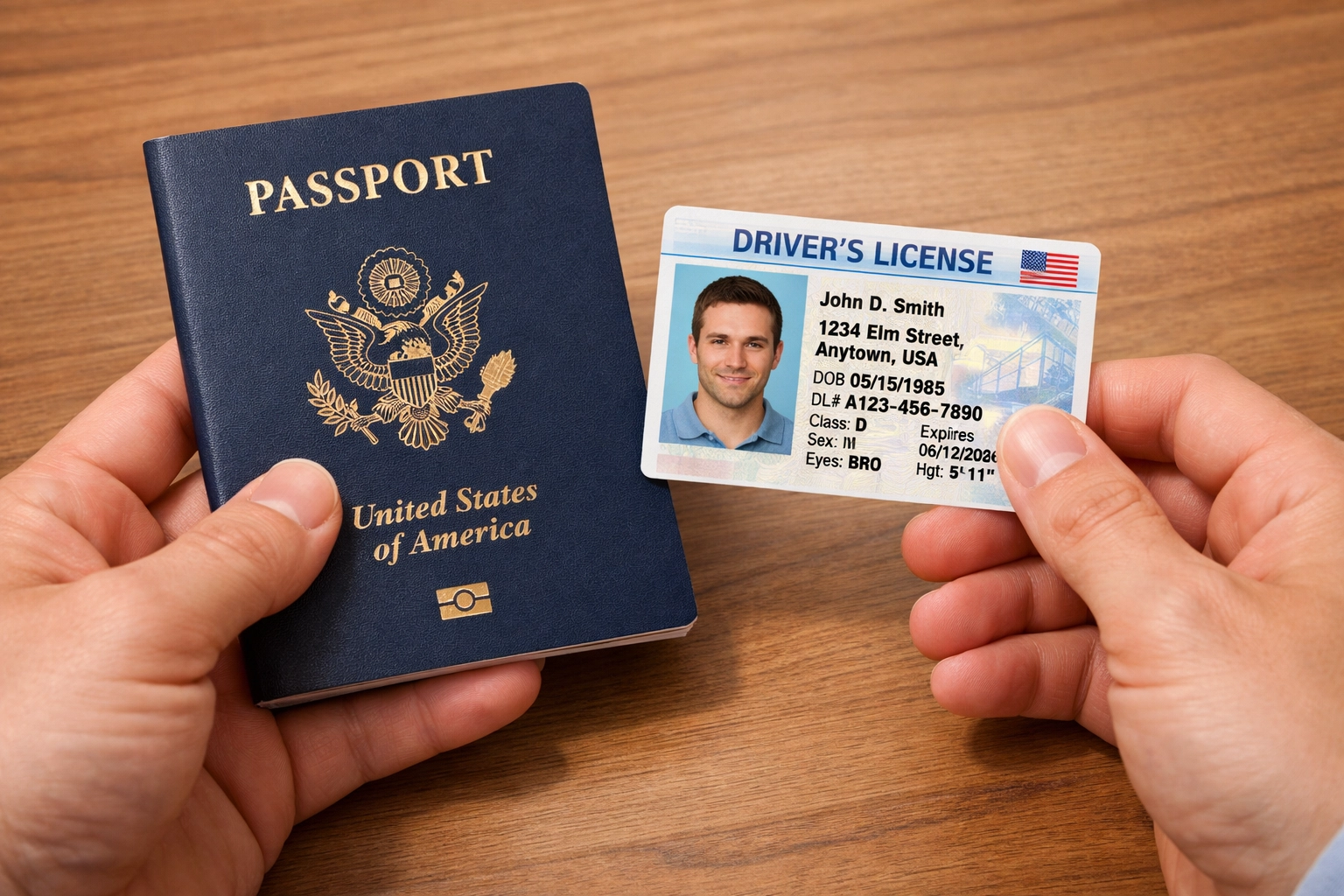
This one's non-negotiable, folks. When you show up to get your estate documents notarized, you need to bring a current, valid government-issued photo ID. We're talking:
Driver's license
State ID card
Passport
Military ID
Your Costco membership card? Doesn't cut it. Your high school yearbook photo? Definitely not. Notaries are required by Nebraska law to verify your identity before notarizing anything, and that means seeing an official ID with your photo, signature, and current information.
Important note: If your ID is expired, you'll need to renew it before getting documents notarized. No ifs, ands, or buts about it!
4. Don't Sign Anything Until You're in Front of the Notary
Here's a rookie mistake that can turn your estate documents into expensive scrap paper: signing them before you get to the notary. I know, I know, you're excited to check this off your to-do list. But hold your horses!
The whole point of notarization is that the notary witnesses you signing the document. It's like having a referee at a game, they need to see the action happen in real-time. If you sign beforehand, the notary can't legally notarize it, and you'll need to start over with fresh documents.
So resist that urge to grab your favorite pen and start scribbling. Wait until you're sitting across from the notary, ID in hand, ready to make it official.

5. Update Your Beneficiary Designations BEFORE Worrying About Notarization
Here's something that catches a lot of people off guard: your beneficiary designations on retirement accounts, life insurance policies, and bank accounts don't go through your will. They bypass it entirely! That means if your will says one thing but your 401(k) beneficiary form says another, guess which one wins? The beneficiary form.
Before you rush to get your will notarized, take a beat and review all your beneficiary designations:
Retirement accounts (401(k), IRA, 403(b))
Life insurance policies
Bank accounts with payable-on-death (POD) designations
Investment accounts with transfer-on-death (TOD) designations
Make sure these align with your overall estate plan. Otherwise, you might have a beautifully notarized will that doesn't actually control where your biggest assets go. That's like planning the perfect road trip but forgetting to put gas in the car.
6. Know About Nebraska's 2026 Estate Tax Changes
Ready for some good news? The federal estate tax exemption jumped to $15 million per individual (or $30 million for married couples) as of January 1, 2026. For most Omaha families, this means federal estate taxes probably aren't knocking at your door.
But, and this is a big but, if your estate is approaching that threshold, you'll want to discuss strategies with your estate planning attorney before getting documents notarized. Things like irrevocable life insurance trusts (ILITs) can help keep life insurance proceeds outside your taxable estate.
Why does this matter for notarization? Because if you need to adjust your estate plan based on these tax changes, you'll want those changes made before you notarize. Saves you from having to redo everything later!
7. Understand the Difference Between Witnesses and Notarization
This trips people up all the time. Some estate documents need witnesses, some need notarization, and some need both. It's like needing both a ticket and a wristband to get into a concert, they serve different purposes.
Witnesses are people who watch you sign and can testify that you were of sound mind and not under duress. Notaries verify your identity and provide an official seal that the document is legitimate.
For Nebraska estate planning documents:
Wills can be notarized to make them "self-proving" (which makes probate easier later)
Powers of Attorney typically need notarization
Healthcare directives might need both witnesses and notarization
Your estate planning attorney will tell you exactly what you need. Just make sure you bring enough people if witnesses are required, and no, the notary usually can't serve as a witness for the same document they're notarizing.
8. Mobile Notary Services Are a Game-Changer for Estate Planning
Let's talk about convenience for a second. Estate planning often happens when life gets complicated: health issues, aging parents, major life changes. The last thing you need is to drag yourself (and maybe elderly family members) across town to a notary office.
Enter mobile notary services! Here in Omaha, mobile notaries can come to your home, office, hospital, or nursing facility. It's like having pizza delivered, except instead of pepperoni, you're getting legally binding documents.
This is especially helpful if you're:
Dealing with mobility issues
Coordinating multiple family members who need to sign
Working with someone in a care facility
Just really, really busy
At Rochelle's Notary Agency, we offer mobile notary services throughout Omaha because we know estate planning doesn't always happen in perfect circumstances. Sometimes the mountain needs to come to Mohammed, you know?
9. Timing Matters: Don't Wait Until the Last Minute
Here's some friendly advice: don't wait until there's an emergency to get your estate documents notarized. I've seen too many people scramble to get powers of attorney notarized right before a surgery or when a loved one is already declining.
Estate planning works best when you're ahead of the curve. Get your documents prepared and notarized when:
You're healthy and clear-headed
You have time to make thoughtful decisions
You can gather all necessary parties without pressure
You can review everything carefully
Life is unpredictable (understatement of the century, right?), and having notarized estate documents ready to go gives you peace of mind. Plus, you can actually read what you're signing instead of rushing through it in a panic.
10. Use a Professional Notary Service for Estate Documents
Technically, you could get your estate documents notarized at your bank or the UPS store. But here's the thing: estate planning documents are high-stakes. These papers determine who makes decisions if you can't, where your assets go, and who takes care of your kids if something happens to you.
Do you really want to handle that at a shipping counter between someone mailing a birthday present and a person returning shoes?
Professional notary services understand the gravity of estate documents. They:
Take time to verify everything is in order
Ensure all required elements are present
Can accommodate multiple signers
Offer mobile services for convenience
Understand the specific requirements for different estate documents
We're not just stamping papers: we're helping protect your family's future. That's worth choosing a notary who specializes in these important documents.
Ready to get your estate planning documents notarized in Omaha? Whether you need us to come to you or prefer to visit our office, Rochelle's Notary Agency is here to make the process smooth, professional, and stress-free. Because your legacy deserves more than a rushed stamp between errands!
Comments