Omaha Permit Running 101: The Fastest Way to Avoid Costly Delays and Penalties
- Ronna Watson

- 1 day ago
- 6 min read
Picture this: You've got contractors lined up, materials ordered, and a vision for your dream renovation or new construction project. Everything's ready to roll, except one tiny, crucial detail. Your permits are stuck in processing limbo, your contractors are sitting idle (and still charging you), and your timeline just went from "exciting" to "expensive nightmare." Sound familiar?
Here's the scoop: permit delays in Omaha can cost you thousands of dollars and months of frustration. But fear not! With the right approach, and maybe a little help from professionals who know the ins and outs, you can navigate Omaha's permitting process like a pro and keep your project on track.
What Exactly Is Permit Running (And Why Should You Care)?
Let's start with the basics. Permit running is the process of obtaining the necessary approvals and permits from the City of Omaha before you start construction, renovation, or other significant property work. Think of it as getting permission from the city to make your building dreams come true.
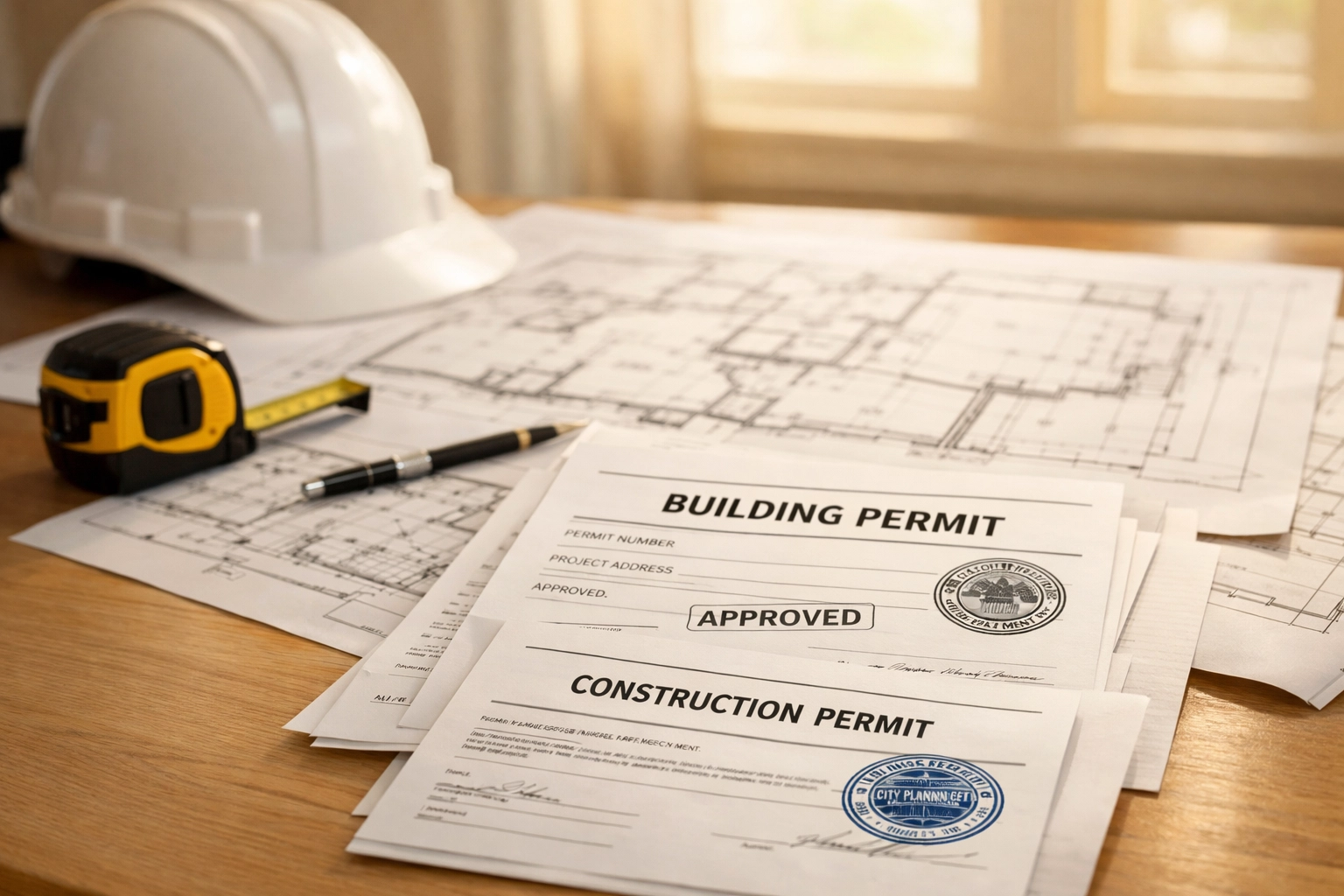
But here's the thing: it's not just about filling out a form and waiting. Permit running involves:
Preparing comprehensive documentation that meets city requirements
Submitting applications to the correct departments
Tracking the review process and responding to revision requests
Picking up approved permits and ensuring they're posted properly
Coordinating inspections at various project milestones
Sounds like a full-time job, right? That's because it practically is! And when permits aren't handled correctly, the consequences can be brutal.
The Real Cost of Permit Delays (Spoiler: It's More Than You Think)
Let's talk dollars and sense, because permit delays hit your wallet from multiple angles.
Direct Financial Penalties: Working without permits or missing inspection deadlines can result in fines ranging from hundreds to thousands of dollars. In some cases, you might even be required to tear down completed work and start over.
Contractor Standby Costs: Your contractors can't just sit around twiddling their thumbs for free. When permits delay your project start, you're often still on the hook for scheduling fees or minimum charges.
Extended Project Timeline: Every week of delay is another week you're not using your new space or generating revenue from your commercial property. Time is money, and permit delays steal both.
Increased Material Costs: The longer your project drags out, the more likely you are to face price increases on materials or labor shortages.
Stress and Frustration: Not everything can be measured in dollars, but the anxiety of watching deadlines slip away while you're powerless to fix it? That's priceless (and not in a good way).
The #1 Secret to Avoiding Delays: Get It Right the First Time
Ready for the golden rule? Submit a complete, thorough application on your first attempt. Here's why this matters so much: Each revision cycle in Omaha typically adds 2-4 weeks to your timeline. That's right, one missing document or unclear specification can set you back an entire month!
Think of your permit application like assembling IKEA furniture. Sure, you could just start screwing pieces together and hope for the best, but we all know how that ends. You need the instructions, all the pieces, and the right tools before you begin.

What Makes a "Complete" Application?
Your application needs to include:
Detailed project plans drawn to scale showing both existing and proposed conditions
Site plans for any exterior changes (fences, decks, additions)
Contractor information and licensing documentation proving they're properly registered
Energy efficiency documentation where applicable (especially for new construction)
Structural calculations for load-bearing modifications
Zoning verification confirming your project complies with local codes
Miss even one of these? Back to square one.
Understanding Omaha's Processing Timeline (Patience Is a Virtue)
Let's set realistic expectations. Standard residential and commercial permits in Omaha typically take 4-8 weeks from submission to issuance for most projects. Simple permits might move faster, while complex projects can extend to 10-12 weeks or even longer.
But here's the kicker: timing matters! Submitting during peak construction season (spring and summer) means longer wait times because everyone and their uncle is trying to get permits at the same time. If possible, submit during slower months for faster processing.
Pro Strategies to Fast-Track Your Permits
Engage the Planning Department Early: Don't be shy! Contact the City of Omaha Planning Department before you submit anything. A quick conversation can clarify requirements specific to your project and save you weeks of back-and-forth revisions.
Use Experienced Professionals: Working with contractors and permit runners who know Omaha's specific quirks is like having a local guide in a foreign country. They know the shortcuts, the pitfalls, and exactly what City Hall expects to see.
Determine Your Permit Requirements Clearly: Before you fill out a single form, nail down exactly which permits you need. A residential remodel might require building, electrical, and plumbing permits, miss one, and your entire project gets held up.
Allow Generous Lead Time: Apply well in advance of when you actually need to break ground. Even if everything goes smoothly (and let's be honest, does it ever?), you'll appreciate the buffer.
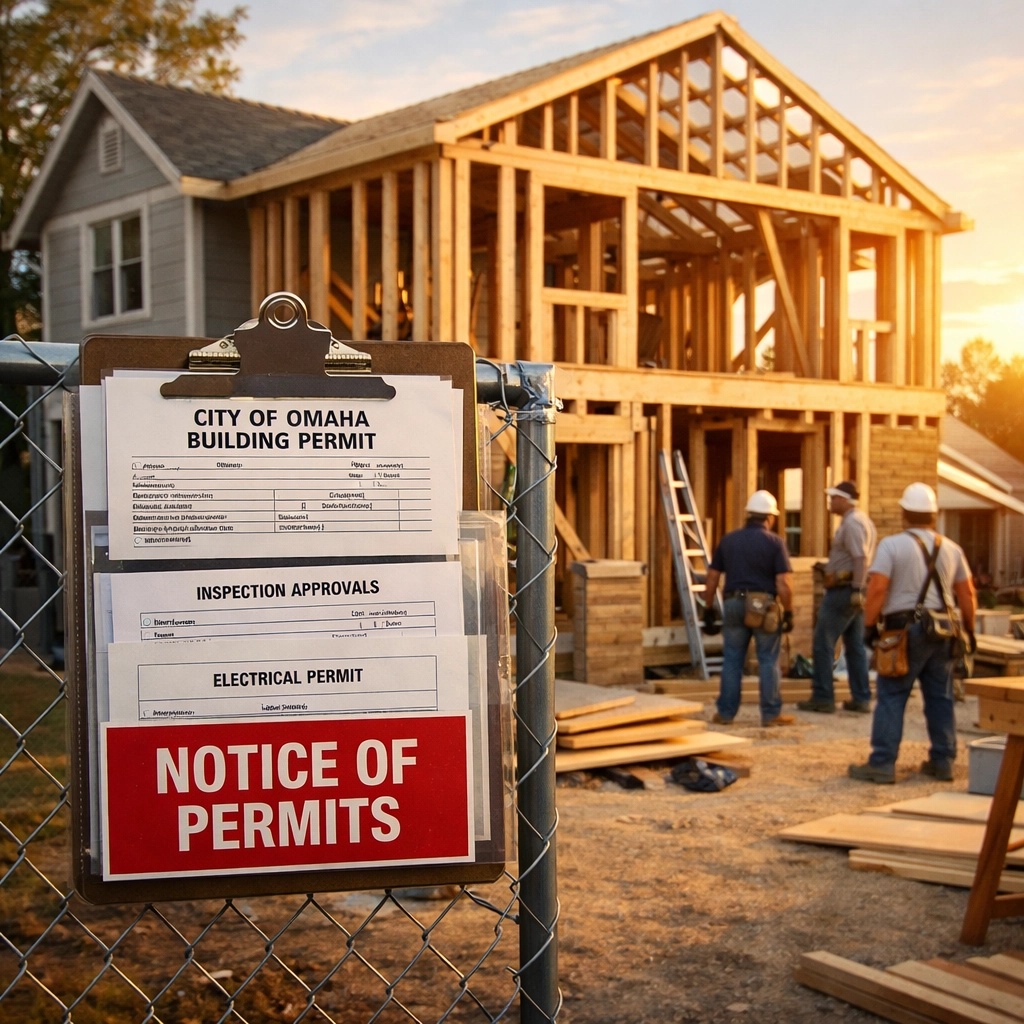
The Documentation Checklist You Can't Afford to Skip
Let's get into the nitty-gritty. Here's what needs to be rock-solid before you submit:
Project Plans:
Drawn to professional standards with clear dimensions
Include elevation views and cross-sections
Show all structural, electrical, and plumbing changes
Indicate materials and specifications
Site Plan:
Property boundaries clearly marked
Existing structures and proposed changes
Setback measurements from property lines
Utility locations and easements
Supporting Documents:
Proof of property ownership
Contractor licenses and insurance certificates
Manufacturer specifications for materials
Energy compliance calculations
Any required neighborhood association approvals
Notarized Affidavits (When Required):
Owner-builder declarations
Lien waivers for contractors
Property access agreements
Ah, the notarization piece: this is where Rochelle's Notary Agency becomes your secret weapon! Many permit-related documents require notarization, and scrambling to find a notary at the last minute can throw your timeline into chaos.
When to Call in the Cavalry (AKA Permit Runners)
Look, I get it. You're capable, organized, and perfectly able to handle paperwork. But permit running is one of those situations where DIY can backfire spectacularly.
Consider hiring a professional permit runner if:
Your project is complex with multiple permit types required
You're facing tight deadlines and can't afford delays
You're not familiar with Omaha's specific requirements
Your time is better spent elsewhere (like actually running your business)
You've already had applications rejected and need expert intervention
Professional permit runners live and breathe this stuff. They know which forms City Hall wants in triplicate, which inspector prefers which documentation format, and how to navigate the process efficiently.
The Mobile Advantage: Documents Delivered to You
Here's a game-changer: mobile permit running and notary services. Instead of making multiple trips downtown to submit documents, respond to questions, or get signatures notarized, professionals come to you.

At Rochelle's Notary Agency, we understand that your time is valuable. Need permit documents notarized? We'll meet you at your office, construction site, or even your home. Got a stack of permits that need hand-delivery and follow-up? We've got you covered.
Red Flags That Scream "You Need Help Now"
Your contractor is vague about permit responsibility. If they're dodging questions about who's handling permits, that's a massive warning sign.
Deadlines are approaching fast. When you've got equipment deliveries scheduled or seasonal windows closing, amateur permit handling is a recipe for disaster.
You've received a "revisions required" notice. One rejection might be a learning experience. Multiple rejections mean you need someone who speaks the city's language.
Your project involves multiple jurisdictions. If you're dealing with city, county, and state permits simultaneously, coordination becomes exponentially more complex.
Avoid These Costly Mistakes
Starting work before permits are issued. This is the #1 way people end up with violations, fines, and stop-work orders. Patience, grasshopper!
Assuming your contractor handles everything. Get it in writing who's responsible for obtaining permits. Assumptions lead to finger-pointing when things go wrong.
Ignoring zoning requirements. Your dream project might not be allowed in your zone. Check before you invest in plans.
Missing inspection windows. Once you start work, you'll need inspections at specific milestones. Missing these can delay your entire project.
Using outdated information. Building codes and permit requirements change. What worked for your neighbor three years ago might not fly today.
Your Next Steps
Ready to tackle your Omaha permit process with confidence? Here's your action plan:
Define your project scope in detail
Research specific permit requirements for your property and project type
Gather all necessary documentation before you start the application
Contact the Planning Department with any questions
Consider professional help for complex projects or tight timelines
Submit early to allow for processing time and potential revisions
Stay responsive to any city requests for additional information
Remember, permits aren't just bureaucratic red tape: they ensure your project meets safety standards and protects your investment. A little extra time and effort on the front end saves massive headaches (and dollars) down the road.
Need help navigating the permit maze in Omaha? Whether you need documents notarized, permit running services, or just guidance on what's required, Rochelle's Notary Agency is here to help. We'll make sure your paperwork is pristine, your deadlines are met, and your project stays on track. Because construction delays are stressful enough( your permits shouldn't be!)
Comments